
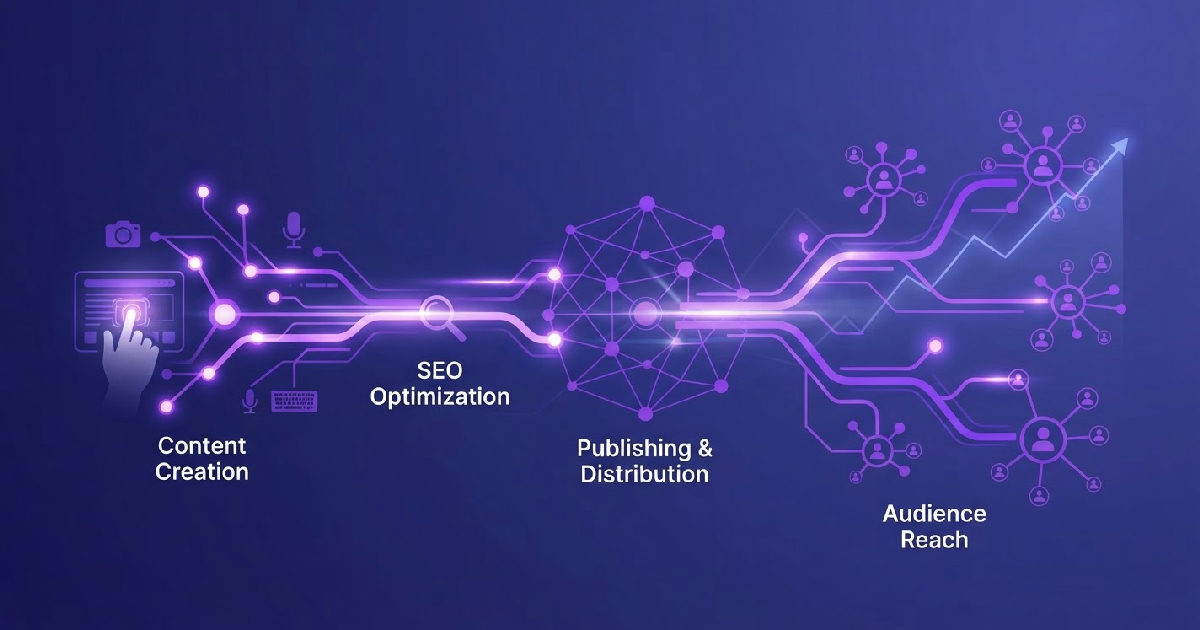
Effective publishing content is more than just hitting an upload button; it's a strategic process encompassing creation, optimization, distribution, and analysis to ensure your message reaches and resonates with its intended audience.
To truly succeed in today's digital landscape, creators and marketers must adopt a holistic approach. This involves understanding audience needs, leveraging search engine optimization (SEO), exploring diverse distribution channels, and streamlining workflows for efficiency.
Strategic Approaches to Publishing Content Effectively
A well-defined strategy is the bedrock of successful publishing content. It dictates what you create, for whom, and why, ensuring every piece serves a purpose and aligns with broader business or communication goals.
Before any content is drafted, a deep dive into audience demographics, psychographics, and pain points is essential. This informs content topics, tone, and format, making your output significantly more relevant and engaging to those you aim to serve.
Identifying Your Target Audience
Understanding who you're speaking to is paramount. Conduct thorough audience research to build detailed buyer personas that represent your ideal reader or customer. This insight guides content development from concept to promotion.
According to HubSpot, 80% of marketers believe that audience segmentation increases engagement. By tailoring content to specific groups, you enhance relevance and improve the likelihood of positive interaction.
Content Pillars and Formats
Developing strong content pillars helps maintain focus and ensures comprehensive coverage of key topics. These overarching themes then branch into various content formats, such as blog posts, videos, infographics, podcasts, or whitepapers.
Choosing the right format depends heavily on your audience's preferences and the nature of the information. For instance, complex data might be best presented as an infographic, while a nuanced discussion could thrive as a long-form article.
Optimizing Your Content for Maximum Search Visibility
Simply creating great content is often not enough; it must also be discoverable. Search engine optimization (SEO) plays a critical role in bringing organic traffic to your published pieces, ensuring they appear prominently in search results.
This optimization begins with thorough keyword research, identifying the terms and phrases your target audience uses when searching for information. Understanding search intent—what users truly want when they type a query—is equally vital for crafting highly relevant content.
On-Page SEO Essentials
Effective on-page SEO involves several elements within your content. This includes compelling title tags, informative meta descriptions, clear heading structures (H2, H3), and descriptive image alt text.
Each of these elements provides signals to search engines about the topic and relevance of your page. Additionally, incorporating your focus keyword naturally throughout the content, without keyword stuffing, helps improve rankings. For a deeper dive into AI and SEO, explore Is AI SEO Worth It for Small Publishers?.
Technical SEO Considerations
Beyond the content itself, the technical health of your website significantly impacts visibility. Factors like site speed, mobile-friendliness, and a secure HTTPS connection are crucial for both user experience and search engine rankings.
Ensuring your website is technically sound provides a strong foundation for your content to perform. Google prioritizes sites that offer a fast, accessible experience, making technical SEO an undeniable part of the publishing puzzle.
“Google’s algorithm uses over 200 ranking factors, many of which relate directly to the quality and technical foundation of your published content. Prioritizing both is non-negotiable for organic success.”
Leveraging Distribution Channels to Expand Reach
After your content is meticulously crafted and optimized, the next critical step is ensuring it reaches the widest possible audience. Distribution is the bridge between your content and the people who need it, converting your work into tangible impact.
Relying solely on organic search traffic can limit your immediate reach. Proactive distribution across various platforms amplifies your message, drives initial engagement, and can signal relevance to search engines, boosting long-term visibility.
Email Marketing for Content Amplification
Building an email list provides a direct line to your most engaged audience members. Sharing your latest articles, guides, or videos through a well-crafted newsletter can generate significant initial traffic and foster a loyal community.
Personalized email campaigns can dramatically increase open and click-through rates. Tailor your content suggestions based on subscriber interests to maximize engagement and encourage repeat visits to your published pieces.
Partnering for Broader Exposure
Collaborating with other industry influencers, websites, or brands can unlock new audiences for your content. Guest posting on relevant sites, participating in podcasts, or co-creating content exposes your work to an established readership.
This strategy not only extends your reach but also builds valuable backlinks and enhances your authority within your niche. Strategic partnerships are a cornerstone of effective content proliferation.
Here's a comparison of common content distribution channels:
| Distribution Channel | Pros | Cons | Best For |
|---|---|---|---|
| Organic Search (SEO) | Sustainable, high intent traffic, long-term ROI. | Slow to build, competitive, algorithm changes. | Educational content, evergreen resources. |
| Social Media Marketing | Instant reach, direct audience interaction, brand building. | Ephemeral, algorithmic gatekeeping, noise. | Shareable content, viral potential, community engagement. |
| Email Marketing | Direct access to engaged audience, high conversion rates. | List building takes time, email fatigue, deliverability issues. | Nurturing leads, exclusive content, repeat visits. |
| Paid Advertising | Immediate, scalable reach, precise targeting. | Costly, ad fatigue, requires careful monitoring. | Product launches, time-sensitive campaigns, competitive niches. |
Measuring Success: Analytics for Content Performance
The journey of publishing content doesn't end once it's live; understanding its performance is crucial for continuous improvement. Analytics provide invaluable insights into how your content is resonating with your audience and contributing to your objectives.
By regularly monitoring key metrics, you can identify what works, what doesn't, and where to allocate future resources. This data-driven approach transforms content creation from guesswork into a precise, optimized effort.
Understanding Google Analytics Metrics
Google Analytics offers a wealth of data to track content performance. Key metrics include page views, unique visitors, average time on page, and bounce rate. These indicate how much traffic your content receives and how engaged users are with it.
Analyzing user flow and conversion paths reveals how different pieces of content contribute to specific goals, such as newsletter sign-ups or product purchases. This granular detail helps refine your content strategy over time.
Tracking Conversions and ROI
Ultimately, content should contribute to business goals. Tracking conversions—whether it's a lead form submission, a download, or a sale—provides a clear picture of your content's return on investment (ROI).
According to research by SEMrush, businesses that prioritize content marketing achieve 7.8 times higher site traffic than non-content marketing adopters. This highlights the significant impact of well-measured content efforts.
Streamlining Your Content Workflow with Automation
The sheer volume of tasks involved in publishing content, from ideation to distribution, can be overwhelming. Manual processes are often time-consuming and prone to inconsistencies, hindering scalability and efficiency.
Adopting automation tools and strategies can significantly streamline your content workflow. This frees up valuable time for strategic thinking and creative execution, allowing you to produce more high-quality content without increasing your workload proportionally.
Automating Content Creation and Scheduling
Platforms like GenPressa specialize in automating various stages of the content lifecycle. From generating content briefs and drafts to scheduling publications across multiple platforms, these tools minimize manual intervention.
Automated scheduling ensures a consistent publishing cadence, which is vital for audience engagement and search engine visibility. This eliminates the need for constant oversight, allowing content to go live at optimal times.
Ensuring Quality at Scale
While automation boosts efficiency, maintaining content quality is paramount. Advanced platforms integrate AI-powered editing and SEO analysis to ensure that even automated content adheres to high standards and is fully optimized for search engines.
For example, GenPressa's technology helps content creators ensure topical authority and SEO best practices are embedded from the outset. This ensures that scaling your output doesn't come at the expense of quality. Learn more about their capabilities and pricing at GenPressa pricing page.
What is the most crucial step in content publishing?
The most crucial step is undoubtedly audience research and strategic planning, as it ensures your content directly addresses the needs and interests of your target demographic, making all subsequent efforts more effective.
How often should I publish new content?
The ideal frequency for publishing content varies by industry and audience expectations, but consistency is key. Aim for a schedule you can realistically maintain, whether that's once a week or multiple times a day, to keep your audience engaged and satisfy search engines.
Can AI truly help with content publishing?
Yes, AI can significantly assist with content publishing by automating tasks like topic generation, drafting, optimization, and scheduling. Tools leverage AI to enhance efficiency and maintain quality, allowing human creators to focus on strategic oversight and creativity.
Mastering the art of publishing content is a dynamic and multifaceted endeavor. It demands a blend of creativity, strategic thinking, technical understanding, and analytical prowess. By embracing a holistic approach that integrates careful planning, robust SEO, diversified distribution, and intelligent automation, you can elevate your content from mere words to powerful assets.
Platforms designed for automated content publishing, like GenPressa, offer robust solutions to navigate these complexities. They empower you to scale your content efforts efficiently while maintaining high standards of quality and relevance, ultimately driving greater visibility and impact.
To explore how automated solutions can transform your content strategy and enhance your return on investment, consider visiting the GenPressa pricing page today. Unlock the full potential of your content and achieve unparalleled reach.